

As our beloved pets age, their bodies and health needs change. This makes senior pet care an essential part of responsible pet ownership. Understanding when your dog or cat is considered a senior, recognizing the signs of aging, and knowing what screenings are necessary can help you provide the best possible care for your furry friend in their golden years, and our Omaha, NE vets are here to help!
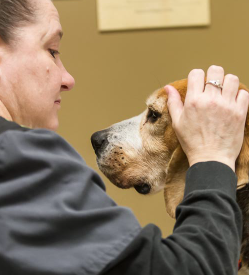
The age at which a pet is considered a senior can vary depending on their breed and size. Generally, cats and small to medium-sized dogs are typically considered seniors at around seven years of age. Larger dog breeds may reach senior status earlier, around five to six years old, due to their shorter lifespans.
Senior pets experience various age-related changes that can affect their physical condition, behavior, and overall well-being. As pets grow older, they become more susceptible to health issues such as arthritis, heart disease, kidney disease, dental problems, and cancer. That’s why it’s crucial to provide them with the necessary care and attention to detect and manage these conditions early.
As pets grow older, they may exhibit several signs of aging, including:
Recognizing these changes early can help you address any potential health issues promptly.
To keep a close eye on the health of senior pets, our Omaha, NE, veterinarians perform a variety of screenings. These tests are crucial for the early detection of diseases and can significantly improve the chances of successful management or treatment.
Arthritis, also known as osteoarthritis or degenerative joint disease, is a condition characterized by the inflammation of joints, leading to pain and decreased mobility. It commonly affects senior pets due to the wear and tear on their joints over the years.
The Impact on Quality of Life for Pets with Arthritis
Arthritis can significantly diminish the quality of life for senior pets. They may experience chronic pain, which can lead to less physical activity, weight gain, and even behavioral changes such as irritability or depression.
Symptoms of Arthritis in Senior Pets
Senior pets may not express pain in the same way humans do, so it’s important to look for subtle changes in their behavior and physical abilities.
What Can You Do to Help Your Senior Pet with Arthritis?
Though arthritis has no cure, you can help your senior pet manage pain and enhance life quality doing the following:
Here are some valuable senior pet care tips for at home to help your aging companions thrive.
Finding a senior pet vet near you in Omaha is easy with our online direct booking feature. Both new and existing clients seeking care for their senior pet may schedule an appointment at our Omaha vet clinic.
Located off of I-680 via W Center Rd. Directly between Cryer Ave and Arbor St on S 120th St.
Phone: 402-333-3847